Demand was never the problem. A AED 16 test showed an eleven-year-old restaurant what was.
An owner-run Thai restaurant trading since 2013 asked IFC for marketing. We rebuilt the brand and content foundation, then ran a small demand test before spending the owner’s limited budget. 97 inbound enquiries arrived in one morning for AED 16.25. The campaign had to be switched off because the restaurant could not answer them. The constraint was operational, not commercial.
F&B, casual dining and deliveryDubai, UAEName withheldQ1–Q2 2026
Inbound enquiries97WhatsApp and call clicks
Ad spendAED 16.25AED 0.17 per enquiry
Time to stopUnder 6 hoursOwner asked to switch it off
The situation
More than a decade in Dubai, almost entirely on word of mouth. Dine-in at the main branch, delivery through platforms taking commission, a second branch open but underperforming, and the owner running both sites himself.
Turnover was healthy for a single-owner operation. Two sites, staff pressure, and platform fees were eating what was left. He had never invested in marketing in a structured way, and concluded that was the gap.
The challenge
The request was straightforward: bring in more customers.
There was a logo, but no master files and no guidelines. Social posting was frequent and directionless. The website’s promotional code was broken. Menu imagery was phone photography. Kitchen capacity, stock, and reporting were not numbers the owner could give.
The client believed he had a demand problem. IFC’s assessment was that he had a readiness problem: any demand a campaign generated would land on a business that could not capture, serve, or measure it.
From IFC’s diagnostic questionnaire
Kitchen capacity per day, maximum versus average output
“Can't really say”
Inventory or stock-tracking method
“Staff send a daily Excel sheet on paper, very difficult to track”
Any reporting currently generated (sales, stock, costs)
“Not really”
Current operational challenges or bottlenecks
“Staff, especially new ones”
Owner’s answers, reproduced verbatim.
What we found
The diagnostic ran on two tracks: a structured questionnaire, and a live test. Because the owner could not supply kitchen capacity, IFC measured it — a token-budget click-to-WhatsApp campaign on a Sunday, promoting a weekday business-lunch offer. Weekday lunch was the empty capacity.
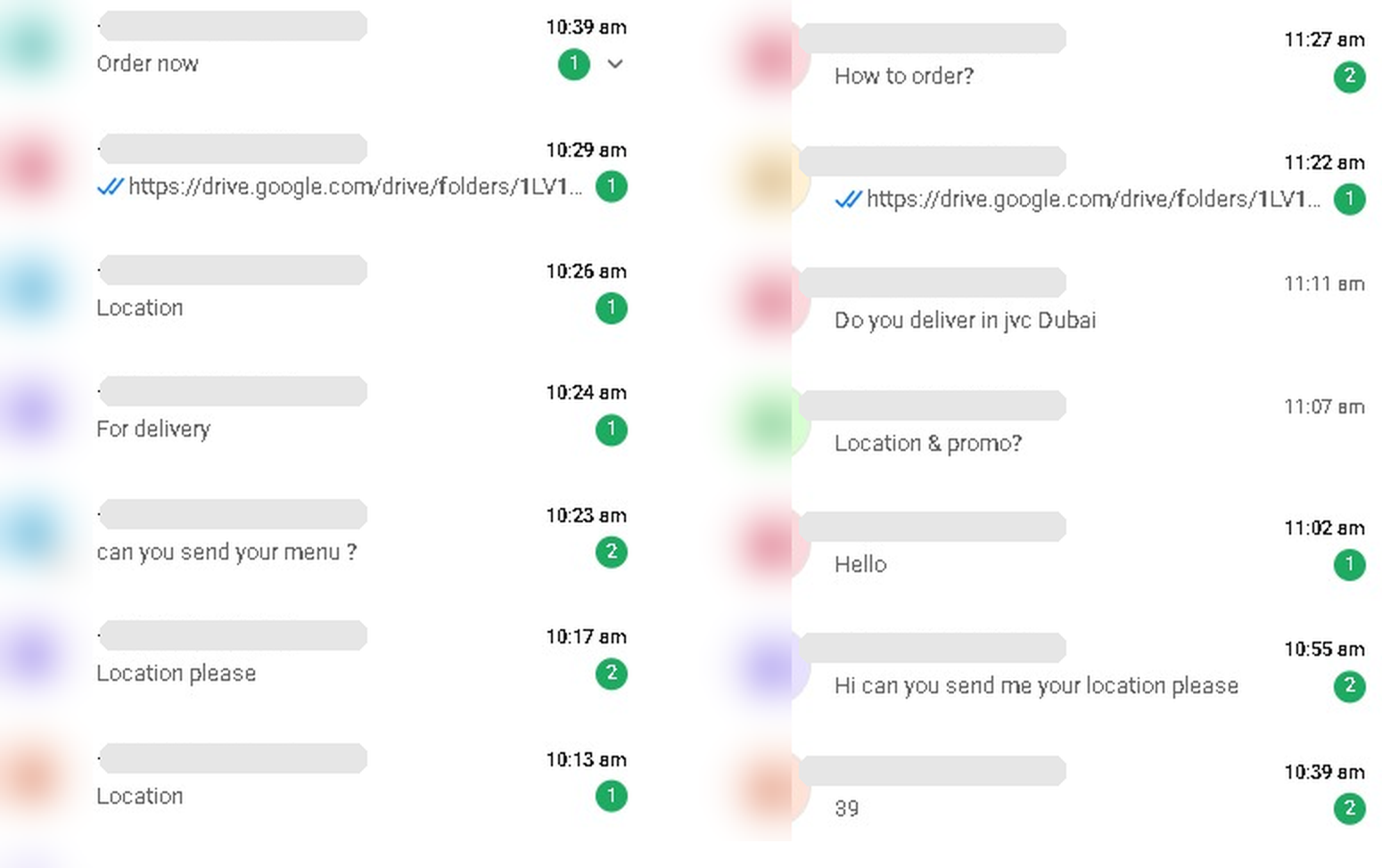
Between roughly 9am and late morning, 97 people started WhatsApp conversations or tapped to call. Most asked about delivery: which areas, whether it was free, how to order. The menu was being sent as a link to a shared folder. A significant share of conversations were never answered. Before noon the owner asked for the campaign to be stopped.
Inbound enquiries during the test. Customer details removed.
Message us to order now
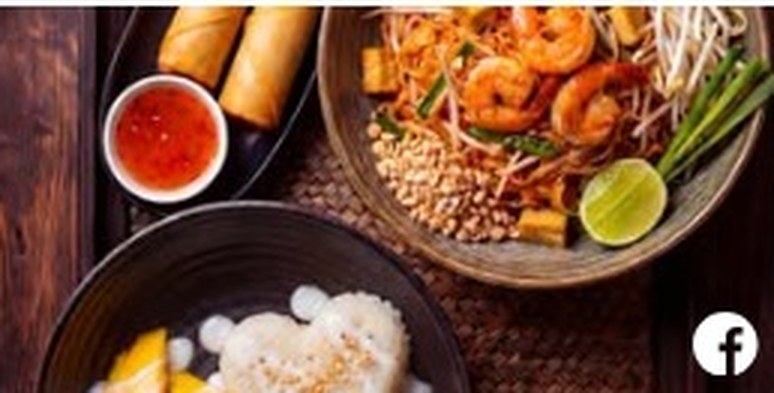
Dubai, we're officially here 🍜🔥 Authentic Thai flavors you've been waiting for 👉 Message us now and order your…
The click-to-WhatsApp ad as it ran. Total spend: AED 16.25.
The sequence
Foundation — brand system, content library, website repairs
Test — AED 16 campaign to measure the operational ceiling
Segment — dedicated offer for airline staff near the main branch
Restructure — convert the weak branch to a cloud kitchen
What IFC chose not to do was scale the campaign. That would have been the easy way to show activity, and the wrong way to spend the client’s money.
From strategy to execution
Diagnose sales, operations, staffing, cost, and digital assets
Rebuild logo files and the full identity system
Produce photography and video for venue, team, and menu
Repair the website and build a cabin-crew section
Run the weekday lunch demand test
Recommend converting the second branch to a cloud kitchen
The results
Ad spend
AED 16.25
Inbound enquiries
97 (WhatsApp conversations and call clicks)
Cost per enquiry
AED 0.17
Duration
Launch to stop request in under six hours
Dominant intent
Delivery orders, menu, and location
The owner’s own reported revenue and average bill imply roughly 65 customers a day. The test produced about a day and a half of that volume in one morning, on a budget that would not cover a single main course. The result it did not produce was orders. Demand was not the failure point. Response was.
97people messaged or called in one morning, on AED 16.25 of ad spend
What they asked
“Do you deliver in JVC?”
“Do you deliver to Dubai Marina?”
“Free delivery?”
“How to order?”
“Can you send your menu?”
“Location please”
Messages from the inbox. Replies were a link to a shared folder. Many conversations were never answered.
Actual impact
The test replaced an unknown with a known. Demand was abundant and cheap. The constraint was internal. That knowledge cost AED 16.25 and moved the conversation from marketing budget to operating model before any meaningful spend was committed.
What we would not claim
Had the restaurant answered every enquiry and converted one in five at its reported average bill, the same AED 16.25 would have returned roughly AED 2,400 in a morning. That is a scenario, not a result. It depends on response capacity the business did not have.
Scenario assumptions: 97 enquiries, 20% conversion, owner-reported average bill. Not a historical outcome.
Behind the work
The restaurant left with a complete brand system, a professional content library, a repaired website, a cabin-crew page ready to launch, a documented operations diagnosis, and a restructuring plan. The client’s identity is withheld, so logo, packaging, menu, and signage are not shown.
Palette and typography from the brand guidelines.
The engagement ended at the client’s decision before the restructuring was implemented, with the owner citing cash constraints. IFC’s assessment remains that the restructuring, not further marketing spend, was the decision that would change the trajectory.